
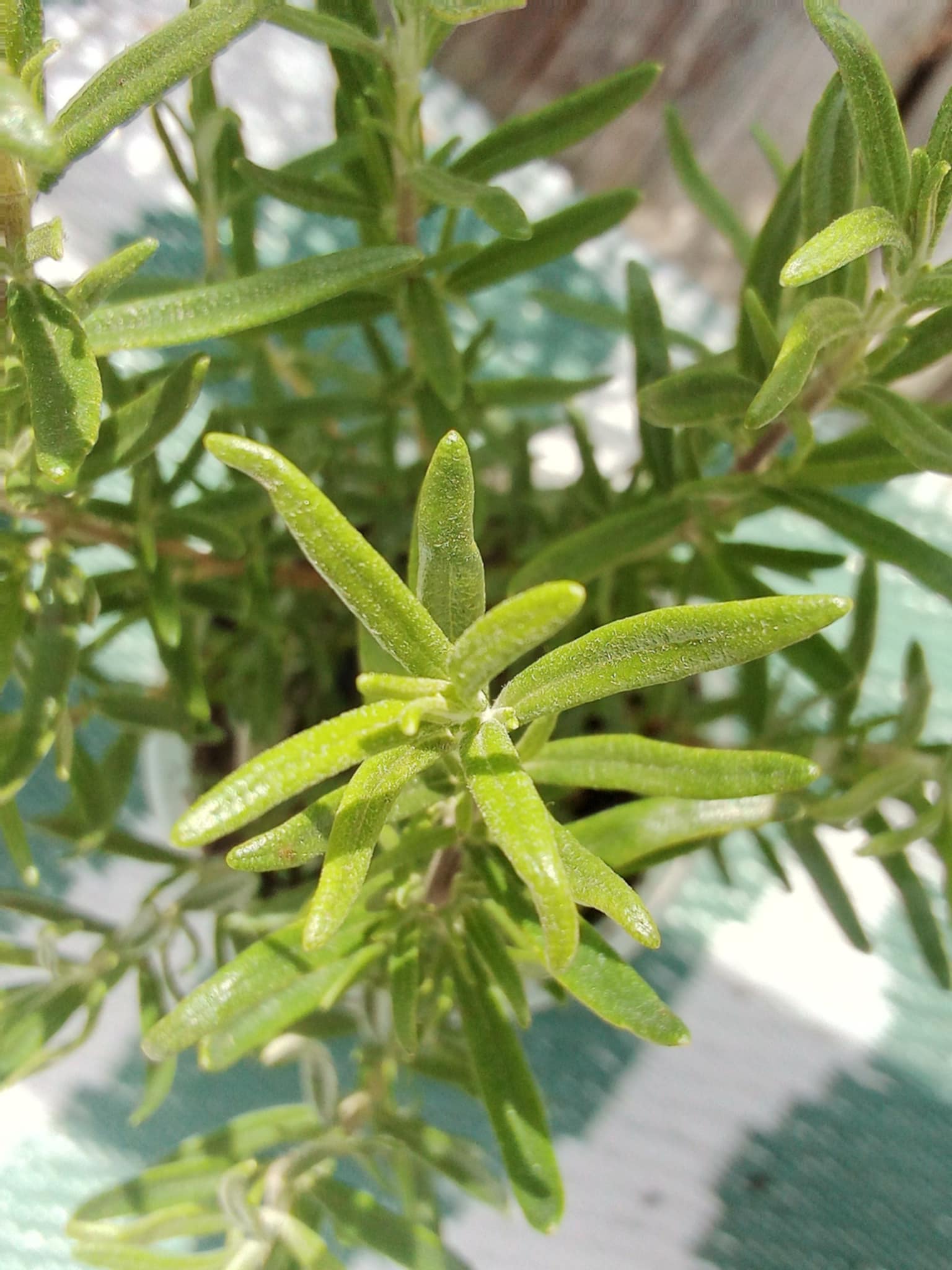
Rosmarunis ofioinalis
With its fragrant evergreen needles and timeless charm, rosemary is more than just a kitchen staple—it’s a plant steeped in history, magic, and healing. From ancient gardens to modern windowsills, this hardy herb has been cherished for its bold flavor, cleansing aroma, and powerful symbolism of memory, protection, and clarity. Whether woven into culinary dishes, brewed into soothing teas, or placed upon an altar, rosemary carries with it the essence of vitality and timeless wisdom, making it a beloved companion in both everyday life and spiritual practice.
Rosemary is a beautiful perennial shrub that has many uses within the health and culinary world. Rosemary has a rich scent that entices mood and a great addition to meals, teas. Rosemary is my personal go-to for skin and hair as it has properties that never break the bank. Vikings were known for using rosemary for their strong, Lucious locks that we often perceive. Because of the antioxidants rosemary gives, it stimulates blood flow to the scalp and wards off breakage.
If I do say, I absolutely love the taste of rosemary, especially baked in bread or crackers, it just gives a wonderful flavor!

Growing
Planting From Seed
Planting rosemary from seed can be a quite daunting task because it is quite difficult to grow from seed. That’s why a lot of the times, many gardeners prefer cuttings over seeds because it’s faster and more reliable. If you have the patience for these beauties, it’s all worth while!

- Buy fresh seeds from a reliable and trusted source due to old seeds will often not sprout.
- Soak the seeds in warm water a few hours before planting, this will help soften the seed coat.
Soil & Plant
The soil choice can be as simple as seed starting soil by a reputable brand or store and adding sand and perlite to the mix. Rosemary needs a light well draining mix to ensure proper drainage and avoid root rot. When ready, fill shallow pots or trays with the soil mixture and moisten lightly. Sprinkle seeds on the surface (I personally will plant 3+ seeds in one growing area to ensure at least one seed will sprout!), and lightly cover with about 1/4 soil. Instead of heavy watering, mist the soil lightly, rosemary hates soggy starts!
Heat & Light

Rosemary needs warmth, so the temperature must be at least between 70-75°F to germinate. Place in bright light, or use grow lights for optimal light. Rosemary loves it! A great tip: cover with a clear lid or plastic wrap to trap in humidity which is very helpful for successful germination. With that being said, be patient when waiting for the seeds to germinate as it can take 2-4 weeks to see some action or even up to 6 weeks. When watering, a spray bottle is best to keep the soil slightly moist, not completely wet.
After Germination
Once your seedlings have hit the height marker of 2-3 inches, thin the plant lightly leaving the stronger sprigs. When the plants have 3-4 sets of true leaves, transplant carefully in a larger pot. If you have decided to transplant the plant outdoors, gradually harden them off before doing so. This means, to slowly expose them to the outdoor elements like the sun and wind for about 1-2 weeks.
Once established, give them plenty of sunlight and don’t overwater!
Growing Outdoors
Planting rosemary outdoors is best done once the soil has warmed and all risk of frost has passed. Choose a sunny spot where the plant will get at least six to eight hours of light each day, and make sure the soil is well-draining—rosemary doesn’t like wet feet. Space plants two to three feet apart, giving them room to spread into lush, bushy shrubs. After transplanting, water deeply but infrequently, letting the soil dry slightly between waterings. With just a little care, your rosemary will thrive in the fresh air, filling your garden with its hardy evergreen beauty and aromatic charm.
- Sunlight: Loves full sun (6–8 hours daily). If it doesn’t get enough light, it gets leggy.
- Soil: Prefers well-drained sandy or loamy soil with a neutral to slightly alkaline pH. Rosemary hates soggy roots.
- Watering: Let the soil dry out a bit between waterings. Too much water causes root rot. Think deep but infrequent watering.
- Spacing: Plant about 2–3 feet apart; rosemary can grow into a bushy shrub up to 3–4 feet tall.
Growing in Pots
Growing rosemary in pots is a wonderful way to keep this aromatic herb close at hand, whether on a sunny patio or a bright kitchen windowsill. Choose a container with good drainage—terra-cotta works especially well—and fill it with a light, gritty soil mix to prevent soggy roots. Place the pot where your rosemary can soak up at least six hours of sunlight daily, and water only when the top inch of soil feels dry. Prune regularly to encourage bushy growth, and bring the pot indoors during colder months if you live in a frosty climate. With the right care, a potted rosemary plant becomes both a fragrant companion and a beautiful accent to your space.
- Use a pot with good drainage holes.
- A terra-cotta pot works best since it helps wick away extra moisture.
- Use a gritty potting mix (you can add sand or perlite).
- Keep near a south-facing window indoors in winter or use a grow light.
Care & Harvest
Caring for and harvesting rosemary is as simple as giving it the right balance of sun, soil, and snips. This hardy herb thrives with full sunlight and occasional deep watering, preferring to dry out a bit between drinks. Regular pruning not only keeps the plant tidy but also encourages fuller, bushier growth. To harvest, simply clip sprigs as needed, taking care not to cut more than one-third of the plant at a time. Fresh rosemary can be used right away in cooking or dried for later use, and frequent harvesting actually helps keep the plant healthy and productive all season long.
- Prune lightly to encourage bushy growth and prevent it from getting woody.
- Harvest sprigs often—it keeps the plant healthy!
- Bring pots indoors if you live in colder climates (rosemary isn’t frost-hardy).
For more information on harvesting, check out: Harvest Herbs for Autumn Magic
Uses of Rosemary
I have been a fan of Rosemary for sometime now, and it has enhanced my senses, helped me stay focused, and repaired and strengthened my hair. Rosemary is one of those magical plants that bridges the gap between the kitchen, the medicine cabinet, and even the ritual altar. Here are some of its most beloved uses:
🌿 Culinary Uses
- Adds bold, earthy flavor to roasted meats, potatoes, bread, soups, and oils.
- Infuses beautifully into vinegars, marinades, and butter.
- Fresh sprigs can flavor beverages like lemonade or cocktails.
🌸 Wellness & Everyday Uses
- Naturally rich in antioxidants, it’s often used in teas to support digestion and boost focus.
- Infused in oils or rinses, rosemary can promote hair strength and scalp health.
- Its invigorating scent makes it popular in aromatherapy for energy and clarity.

🔮 Magical & Spiritual Uses
- Burned as an incense for cleansing and protection.
- Placed under a pillow to ward off nightmares and encourage peaceful sleep.
- Used in rituals for memory, love, and purification.
- Woven into wreaths or bundles to invite blessings and positive energy into the home.
Rosemary is a versatile herb that weaves its way through the kitchen, the apothecary, and the sacred circle. In cooking, its bold, earthy flavor enhances roasted meats, breads, soups, and oils, while fresh sprigs lend brightness to drinks and marinades. Beyond the table, rosemary has long been cherished for its wellness benefits—steeped in teas to aid digestion, infused into rinses to strengthen hair, and inhaled for clarity and focus. Spiritually, it carries a reputation as a powerful ally of protection and purification, often burned as incense, tucked under pillows for peaceful sleep, or used in rituals to bless, cleanse, and awaken the mind. Whether simmering in a pot or smoldering on an altar, rosemary offers both practical magic and everyday nourishment.
Unique Use for Rosemary

You can use rosemary as a natural smudge pen or writing wand. By bundling a sprig of dried rosemary and dipping the tip in natural ink, you can write intentions, affirmations, or sigils on parchment or bay leaves. Afterward, the leaf can be burned or tucked away as a charm. This transforms rosemary from simply an herb into a tool of manifestation—combining its associations with memory, clarity, and protection into a ritual that’s both symbolic and creative.
Here, I explain extra tips on 10 Easy-to-Use herbs including rosemary to begin having a magical, herbal life.
Do you have a favorite use of rosemary? If so, I would love to read in the comments!
